In the quest for sustainability and energy efficiency, every aspect of our daily lives deserves scrutiny, including our windows. Energy-efficient window film solutions represent a simple yet impactful stride towards a greener future. These innovative films offer a multifaceted approach, addressing both environmental concerns and practical benefits. By harnessing advancements in technology, they enable homeowners and businesses to optimize energy consumption, mitigate heat loss or gain, and enhance indoor comfort levels—all while reducing their carbon footprint. In this exploration of energy-efficient window film solutions, we delve into their mechanisms, benefits, and the pivotal role they play in fostering a more sustainable built environment.
Understanding Energy-Efficient Window Films: An Overview
Energy-efficient window films represent a revolutionary advancement in sustainable building practices. These films are designed to enhance the energy performance of windows by reducing heat transfer, UV radiation, and glare while maintaining optimal visibility and natural light transmission. By acting as a barrier against external elements, such as excessive heat or cold, they help regulate indoor temperatures, thereby reducing the dependency on heating, ventilation, and air conditioning (HVAC) systems. With various types and functionalities available, ranging from reflective to spectrally selective films, understanding their diverse applications and performance characteristics is crucial for informed decision-making in pursuit of energy efficiency and environmental sustainability.

Environmental Impact: How Window Films Contribute to Sustainability
Window films play a significant role in fostering sustainability by mitigating the environmental impact of buildings. By improving the energy efficiency of windows, these films reduce the overall energy consumption of structures, leading to lower greenhouse gas emissions and decreased reliance on fossil fuels for heating and cooling. Additionally, by blocking harmful UV rays, they help protect interior furnishings and finishes from fading, thus extending their lifespan and reducing the need for replacement, which in turn reduces waste generation. The cumulative effect of these measures contributes to a more environmentally responsible built environment, aligning with global efforts to combat climate change and promote sustainable development.
Advantages Beyond Energy Efficiency: Exploring Additional Benefits
Energy-efficient window films offer a plethora of advantages beyond just reducing energy consumption. These additional benefits make them a compelling choice for both residential and commercial applications:
- UV Protection: Energy-efficient window films provide effective protection against harmful ultraviolet (UV) rays, safeguarding interiors from sun damage and fading of furniture, carpets, and artwork.
- Glare Reduction: By minimizing glare, these films create a more comfortable and visually appealing environment, improving productivity in workspaces and enhancing the overall ambiance of living spaces.
- Privacy Enhancement: Certain types of window films offer increased privacy by limiting visibility from the outside while still allowing ample natural light to filter through, offering a perfect balance between openness and seclusion.
- Security Enhancement: Some energy-efficient window films are designed to reinforce glass, making it more resistant to shattering. This added layer of security can deter break-ins and protect occupants from potential hazards.
- Aesthetic Enhancement: With a wide array of designs and finishes available, energy-efficient window films can enhance the visual appeal of buildings, adding style and character to their exteriors while maintaining architectural integrity.
Energy-efficient window films offer a myriad of advantages that extend far beyond mere energy efficiency. From UV protection to privacy enhancement and security reinforcement, these films provide a holistic solution for improving comfort, safety, and aesthetics in residential and commercial spaces alike.
Types of Energy-Efficient Window Films: A Comparative Analysis
The market for energy-efficient window films encompasses a diverse array of options, each with unique characteristics and performance attributes. Reflective films, for example, are designed to reject solar heat gain by reflecting sunlight away from the building, making them particularly effective in hot climates. In contrast, spectrally selective films selectively block certain wavelengths of light while allowing others to pass through, offering a balance between solar control and natural light transmission. Low-emissivity (Low-E) films are engineered to minimize heat loss during colder months while still allowing natural light to enter, making them ideal for climates with significant heating demands. Understanding the distinctions between these types of films and their suitability for specific climates and building orientations is essential for maximizing their energy-saving potential and overall effectiveness.
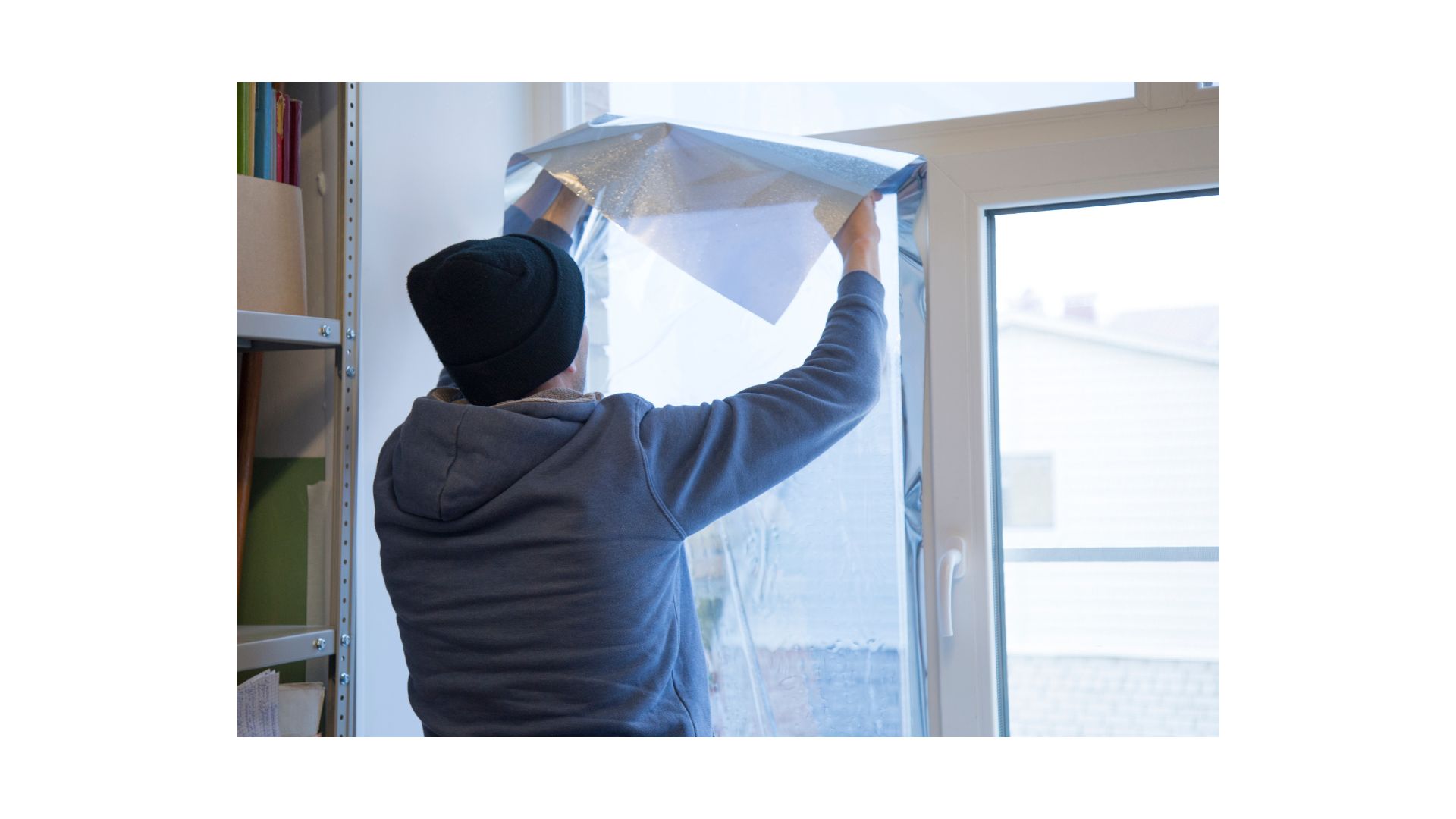
Installation and Maintenance: Practical Considerations for Implementation
Efficient installation and proper maintenance are critical factors in ensuring the long-term effectiveness and durability of energy-efficient window films. Installation should be carried out by experienced professionals to guarantee proper fit and adherence, minimizing the risk of air pockets or imperfections that could compromise performance. Additionally, regular maintenance, such as periodic cleaning with non-abrasive materials, is essential for preserving optical clarity and maximizing energy-saving benefits. It’s also important to address any issues promptly, such as peeling or bubbling, to prevent further deterioration and maintain optimal functionality. By adhering to best practices in installation and maintenance, building owners can ensure the continued performance and longevity of their energy-efficient window films, maximizing their return on investment and environmental impact over time.
Future Trends and Innovations in Energy-Efficient Window Film Technology
Future Trends and Innovations in Energy-Efficient Window Film Technology are poised to revolutionize the way we approach sustainability in building design. As technology advances, new possibilities emerge to enhance energy efficiency, comfort, and functionality. Here are some exciting developments to watch out for:
- Smart Films: Integration of dynamic tint or opacity adjustment based on environmental conditions.
- Self-Cleaning Properties: Films equipped with self-cleaning capabilities to minimize maintenance requirements.
- Self-Healing Films: Innovative materials that can repair minor damages automatically, prolonging lifespan.
- Advanced Optical Clarity: Further improvements in clarity to maintain optimal visibility while enhancing energy performance.
- Nanotechnology Applications: Utilization of nanomaterials for enhanced durability and performance.
As these trends unfold, the future of energy-efficient window films looks promising, offering unparalleled benefits for both the environment and building occupants. Stay tuned for more breakthroughs in this dynamic field!
Conclusion
In conclusion, embracing energy-efficient window films is not just a choice but a commitment to a sustainable future. These innovative solutions not only enhance the energy performance of buildings but also contribute significantly to reducing environmental impact and improving occupant comfort and well-being. From mitigating heat transfer to protecting against UV radiation, the benefits are undeniable. As we navigate towards a greener tomorrow, it’s imperative to leverage the diverse range of window film options available, understanding their applications and advantages. For those looking to make a tangible difference, consider reaching out to East Coast Window Films at 856 Franklinville Rd, Mullica Hill, NJ 08062, or dialing +18566875682. Let’s take a step towards sustainability together.