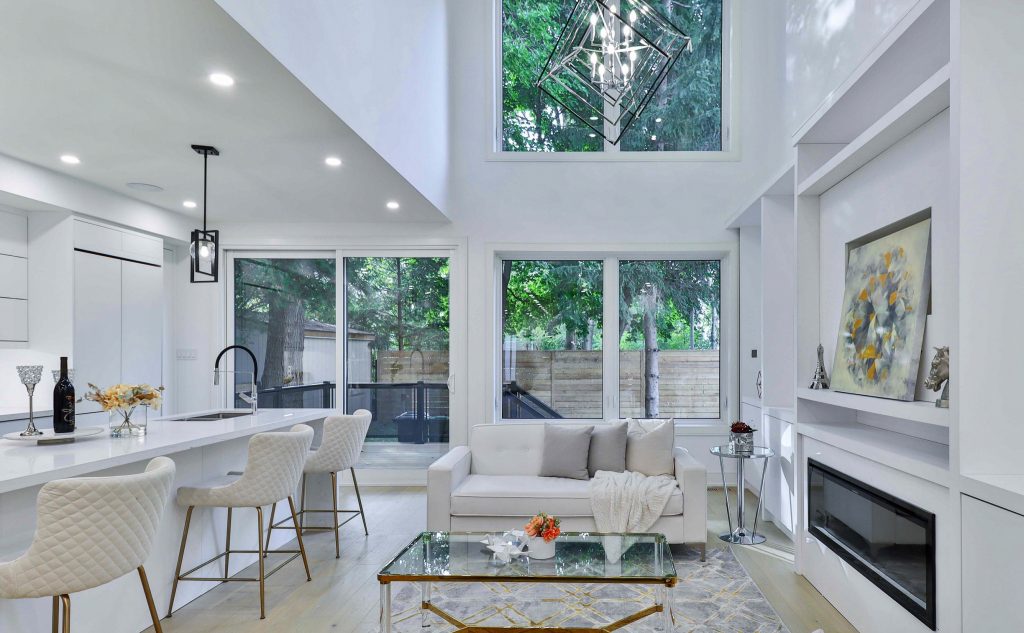
Window films have become a popular choice for homeowners and businesses alike, offering benefits like enhanced privacy, reduced glare, and increased energy efficiency. Despite their growing popularity, several misconceptions persist, often deterring potential users from reaping their advantages. This blog aims to debunk common myths about window films, providing clarity and helping you make informed decisions. Many believe that window films are purely decorative and offer no functional benefits, or that they can damage windows over time. Others think that all window films darken rooms excessively, hindering natural light. In this article, we’ll address these and other prevalent myths, shedding light on the true capabilities and benefits of modern window films. Whether you’re considering window films for aesthetic or practical purposes, it’s essential to separate fact from fiction.
Window Films Always Make Rooms Dark
The use of window films is often associated with various benefits such as privacy, UV protection, and energy efficiency. However, a common misconception is that window films always darken rooms significantly. This misconception overlooks the diverse range of window film options available and their varying impacts on room brightness and aesthetics.
Types of Window Films
Window films come in a variety of types, each designed to serve different purposes. While some films are indeed tinted and reduce visible light transmission, others are designed to maintain clarity and transparency while still offering UV protection or privacy through methods other than darkening.
Light Transmission Characteristics
The degree to which a window film darkens a room depends on its light transmission properties. Films with higher visible light transmission (VLT) percentages allow more natural light to pass through, maintaining a brighter indoor environment compared to those with lower VLT percentages, which reduce brightness.
Privacy Films
Privacy films are a category of window films that are specifically designed to obscure views into a room while still allowing light to penetrate. These films can range from lightly frosted to completely opaque, offering varying degrees of privacy without necessarily darkening the room.
UV Protection Films
Films designed primarily for UV protection are often transparent or lightly tinted. These films block harmful UV rays without significantly altering the visible light entering the room, thus preserving natural brightness.
Decorative and Patterned Films
Decorative window films can add aesthetic value to a room without compromising brightness. These films come in various patterns, textures, and colors, allowing for customization while maintaining a well-lit indoor environment.
Window Films Cause Window Seal Damage
Window films are often installed to enhance privacy, improve energy efficiency, or protect against UV rays. However, concerns have been raised about potential damage to window seals caused by these films. This issue highlights the importance of understanding the impact of window films on the structural integrity of windows.
Mechanism of Damage
Window films adhere to the glass surface using strong adhesives, which can exert pressure on the edges of the window seals over time. This pressure may cause the seals to weaken or deteriorate, leading to gaps where moisture and air can infiltrate. As a result, the window’s insulation capability may be compromised, impacting energy efficiency.
Types of Seals Affected
Typically, window seals made from materials like rubber or silicone are susceptible to damage from window films. These seals are designed to maintain a tight barrier against external elements but may degrade prematurely when subjected to continuous stress from the film’s adhesive.
Long-term Consequences
The deterioration of window seals can lead to several issues, including fogging between panes, increased energy consumption due to reduced insulation, and potential water damage to surrounding structures. These consequences may necessitate costly repairs or even complete window replacement.
Manufacturer’s Recommendations
Many window film manufacturers provide guidelines on compatible window types and proper installation techniques to minimize the risk of seal damage. Following these recommendations can help mitigate potential issues and extend the lifespan of both the window seals and the film itself.
Alternative Solutions
For those concerned about seal damage, alternative solutions such as removable adhesive-free films or professionally installed tinted glass panels may be considered. These options offer similar benefits without posing the same risks to window seals.
Title: Dispelling the Myth: Window Films Are Difficult to Install
Introduction: The perception that window films are difficult to install can deter many from considering this cost-effective solution for enhancing privacy, improving energy efficiency, and protecting interiors from UV rays. However, advancements in technology and installation techniques have simplified the process significantly.
- Advancements in Technology: Modern window films often come with user-friendly features like self-adhesive backing, which simplifies installation for DIY enthusiasts.
- Professional Installation Services: Many companies offer professional installation services, ensuring precise application and maximizing the benefits of window films.
- DIY Kits: DIY kits with detailed instructions and tools make it feasible for homeowners to install window films themselves, saving on installation costs.
- Compatibility: Window films are designed to be compatible with various window types and materials, ensuring a seamless fit and long-lasting performance.
Conclusion
Debunking the myths surrounding window films has been an eye-opening journey. We’ve learned that contrary to popular belief, window films are not just for aesthetics but serve a myriad of practical purposes. From reducing energy costs and UV protection to enhancing privacy and reinforcing security, the benefits are substantial. By dispelling these misconceptions, we hope to empower homeowners and businesses alike to make informed decisions about their window solutions.
If you have further questions or are interested in exploring how window films can benefit your property in Mullica Hill, NJ, East Coast Window Films is here to help. Contact us at 1-856-687-5682 to speak with our knowledgeable team. Whether you’re looking to improve energy efficiency, increase privacy, or upgrade your building’s security, we’re committed to providing tailored solutions that meet your needs. Don’t let myths obscure the advantages—discover the practicality and efficiency of window films today with East Coast Window Films.