Protecting your home’s interior and safeguarding your health are paramount concerns for any homeowner. In a world where ultraviolet (UV) rays pose significant threats, finding effective solutions becomes imperative. Enter UV blocking film, a revolutionary technology designed to shield your interior spaces from the harmful effects of UV radiation. Beyond mere aesthetics, this innovative film serves as a proactive measure, prolonging the lifespan of your furnishings and preserving their vibrant colors. Moreover, its protective properties extend beyond material goods, offering a shield against UV-related health risks. By reducing exposure to harmful rays, UV blocking film provides a layer of defense against skin damage and potential health complications, empowering homeowners to create safer, healthier environments for themselves and their loved ones. In this blog, we delve deeper into the benefits of UV blocking film, exploring its multifaceted advantages and its role in modern interior protection strategies.
Understanding UV Radiation: The Basics
Understanding UV radiation is essential for comprehending the importance of UV blocking film in interior spaces. UV radiation consists of invisible rays emitted by the sun, categorized into three types: UVA, UVB, and UVC. UVA rays have the longest wavelength and can penetrate deep into the skin, causing premature aging and contributing to skin cancer development. UVB rays have a shorter wavelength and primarily affect the outer layer of the skin, leading to sunburn and increasing the risk of skin cancer. UVC rays are mostly absorbed by the Earth’s atmosphere and do not reach the surface. However, UVA and UVB rays are the ones of concern when it comes to interior protection. These rays can also cause damage to materials such as wood, fabric, and artwork by breaking down their molecular structure and causing fading, discoloration, and deterioration over time. Therefore, understanding the basics of UV radiation highlights the need for effective UV protection measures, such as UV blocking film, to safeguard both the interior surfaces and occupants of a space.
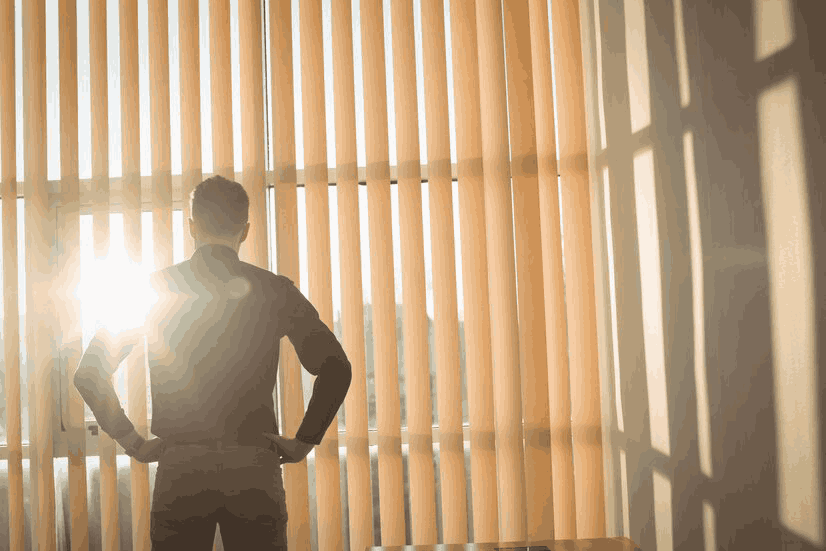
The Impact of UV Exposure On Interior Surfaces
Exposure to ultraviolet (UV) radiation can wreak havoc on interior surfaces, leading to irreversible damage over time. Commonly affected materials include wood, fabric, leather, and plastic. UV rays can cause fading, discoloration, and deterioration of these surfaces, diminishing their aesthetic appeal and structural integrity. Beyond aesthetics, UV exposure can weaken materials, leading to cracks, warping, and brittleness. This degradation not only affects the appearance of furniture and décor but also reduces their lifespan, necessitating costly replacements or repairs. Additionally, UV rays can contribute to the breakdown of adhesives and finishes, further compromising the integrity of interior surfaces. Understanding the profound impact of UV exposure is essential for homeowners seeking to protect their investments and maintain the beauty and functionality of their indoor spaces for years to come.
Preserving Furnishings: How UV Blocking Film Works
UV blocking film serves as a proactive solution to combat the damaging effects of UV radiation on interior furnishings. This specialized film is composed of layers designed to selectively filter out harmful UV rays while allowing visible light to pass through. By acting as a barrier between the sun’s rays and interior surfaces, UV blocking film effectively reduces the amount of UV radiation that penetrates into space. As a result, furnishings are shielded from fading, discoloration, and deterioration, preserving their original appearance and structural integrity. UV blocking film works by absorbing and reflecting UV radiation, preventing it from reaching the surfaces it aims to protect. This innovative technology offers a transparent layer of defense that is virtually invisible once installed, allowing homeowners to enjoy natural light without compromising on protection. With UV blocking film, homeowners can proactively safeguard their furnishings, prolonging their lifespan and maintaining the beauty of their interior spaces for years to come.
Benefits Beyond Aesthetics: Health Implications
Beyond the immediate visual impact, the benefits of UV blocking film extend far beyond aesthetics, reaching into the realm of health. Understanding the health implications of prolonged UV exposure is crucial, and UV blocking film emerges as a key player in mitigating potential risks.
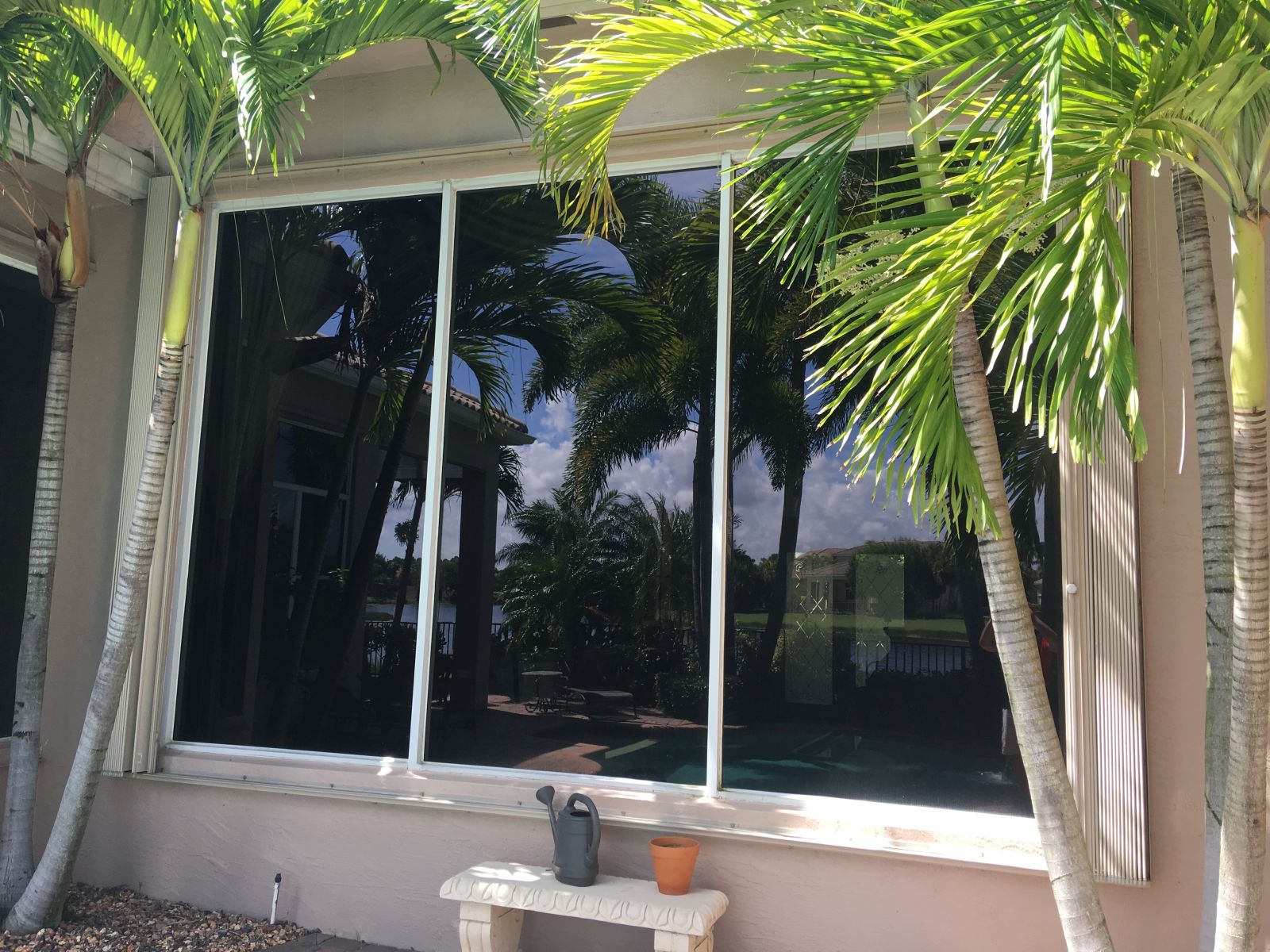
- Skin Protection: UV rays are known contributors to skin damage, including premature aging and an increased risk of skin cancer. UV blocking film acts as a barrier, reducing the penetration of harmful rays and providing an added layer of defense for occupants.
- Eye Health: Prolonged exposure to UV rays can lead to eye conditions such as cataracts and macular degeneration. UV blocking film helps in minimizing UV radiation entering the living spaces, contributing to overall eye health.
- Immune System Support: Excessive UV exposure can suppress the immune system. By reducing UV infiltration, the film assists in maintaining a healthier indoor environment, supporting the overall well-being of occupants.
- Preventive Approach: UV blocking film offers a proactive measure against potential health risks associated with UV radiation, aligning with a holistic approach to wellness within the home.
- Long-Term Health Benefits: Installing UV blocking film is an investment in long-term health, providing ongoing protection for occupants against the cumulative effects of UV exposure.
In conclusion, the advantages of UV blocking film extend beyond preserving the visual appeal of interiors; they encompass vital health implications. By embracing this technology, homeowners not only protect their furnishings but also prioritize the well-being of themselves and their loved ones, creating safer and healthier living spaces.
Types Of UV Blocking Film: Finding The Right Fit
In the quest to shield interior spaces from harmful UV radiation, choosing the right type of UV blocking film is paramount. With various options available, understanding the differences and benefits of each type is essential for homeowners seeking effective protection for their furnishings and health.
- Dyed Film: Dyed UV blocking film works by absorbing UV radiation, preventing it from passing through the film and into the interior space. While effective at reducing UV exposure, dyed films may alter the appearance of windows and can fade over time.
- Metalized Film: Metalized UV blocking film contains tiny metallic particles that reflect UV radiation away from windows, providing efficient protection against fading and heat gain. However, metalized films may interfere with electronic signals and have a more noticeable reflective appearance.
- Ceramic Film: Ceramic UV blocking film utilizes advanced nanoparticle technology to selectively filter out UV rays while maintaining high visibility and clarity. These films offer superior heat rejection and UV protection without compromising aesthetics or signal interference.
- Hybrid Film: Hybrid UV blocking film combines elements of dyed, metalized, and ceramic films to offer a balance of UV protection, heat rejection, and optical clarity. These versatile films provide comprehensive protection against UV damage while minimizing potential drawbacks.
With a range of options available, finding the right type of UV blocking film depends on individual preferences, budget considerations, and specific needs. Whether prioritizing aesthetics, heat rejection, or signal interference, homeowners can choose a film that offers the optimal balance of protection and performance for their unique requirements, ensuring a comfortable, UV-safe environment for years to come.
Environmental Considerations: Eco-Friendly UV Protection Solutions
Environmental considerations are increasingly crucial in the selection of UV protection solutions for homes and buildings. Opting for eco-friendly UV protection solutions not only safeguards interior spaces but also minimizes the environmental footprint associated with their implementation. One approach involves choosing UV blocking films made from sustainable materials or those that are recyclable at the end of their lifespan. By selecting products with minimal environmental impact, homeowners can contribute to reducing waste and promoting sustainability. Additionally, some UV protection films are designed to enhance energy efficiency, reducing the reliance on artificial cooling systems and consequently lowering energy consumption. This dual-purpose functionality not only preserves interiors but also aligns with broader environmental goals by reducing greenhouse gas emissions associated with energy usage. Furthermore, eco-friendly UV protection solutions often adhere to strict environmental standards and certifications, providing assurance of their sustainability credentials. Considering environmental factors when selecting UV protection solutions demonstrates a commitment to responsible stewardship of both indoor spaces and the wider environment.
Conclusion
In conclusion, the importance of UV blocking film in preserving interior spaces and safeguarding health cannot be overstated. By understanding the various types of films available and their respective benefits, homeowners can make informed decisions to protect their furnishings and loved ones from the harmful effects of UV radiation. Whether prioritizing heat rejection, optical clarity, or signal interference, there is a UV blocking film solution to suit every need. Take the proactive step towards a UV-safe environment today by contacting East Coast Window Films at 856 Franklinville Rd, Mullica Hill, NJ 08062, or call +1 856-687-5682 for expert advice and installation services. Your home deserves the best protection against UV damage, and East Coast Window Films is here to help you achieve it.