Window Tinting in Mullica Hill, NJ: What Homeowners Should Know
What Mullica Hill homeowners should know about residential window film for heat, glare, UV exposure, privacy and comfort before scheduling a consultation.
Residential Window Film in Cherry Hill, NJ: What Homeowners Should Know
What Cherry Hill homeowners should know about window film for heat, glare, UV exposure, privacy and comfort before scheduling a consultation.
Stylish Patterns and Textures in Home Window Film
Home window films are a fantastic way to elevate your space with stylish patterns and textures. Whether you’re looking for a sleek frosted design for privacy or a vibrant stained glass effect to add a pop of color, these films can transform your windows into stunning focal points. They offer a creative solution for filtering […]
How Home Window Film Can Reduce Glare

https://youtube.com/watch?v=Uv1-7x4S8kM%3Fsi%3DtbJ1JBWR2nr8ffs3 Home window film is a simple yet effective solution for reducing glare in Mullica Hill. Whether you’re struggling with bright sunlight or harsh reflections, this film can make a big difference. By applying a thin layer to your windows, it helps filter out excess light, cutting down on glare and making your living space […]
Home Window Tint: Choosing the Right Type for You
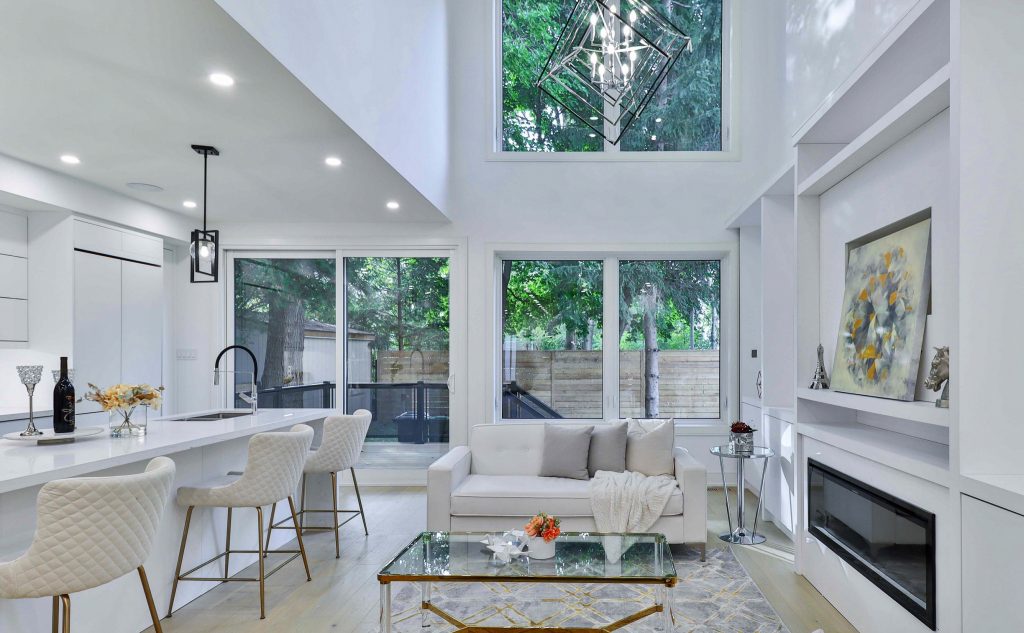
A guide to selecting the perfect tint for your home’s needs. Window tinting isn’t merely a stylish enhancement for your home; it offers practical benefits that extend beyond aesthetics. Properly chosen window tint can significantly boost comfort by reducing glare and heat, thus creating a more pleasant living environment. It also plays a crucial role […]
Maintaining and Cleaning Home Window Film
Tips to keep your window film looking new and performing well. Window film is a subtle yet impactful upgrade that enhances both the look and function of your home’s windows. It offers added privacy, reduces glare, and improves temperature control, all while lending a sleek, contemporary appearance to your glass surfaces. However, to ensure that […]
Home Window Tint: Protect Your Interiors Effectively
How Tinting Shields Furniture and Floors from UV Damage If you’ve ever felt like your living room turns into a sauna on sunny days or noticed your furniture losing its luster more quickly than you’d like, you’re not alone. Many homeowners face these issues, but there’s an often-overlooked solution that can make a significant difference: […]
How to Choose the Right Window Film for Your Home
A practical guide to choosing residential window film for heat, glare, UV exposure, privacy, decorative needs and safety based on your glass and priorities.